


The Royal Academy of Arts will retrace the formative London chapter of Peggy Guggenheim’s career in a major exhibition bringing together more than 80 paintings, sculptures, drawings, collages, prints and photographs. Opening on 21 November 2026, Peggy Guggenheim in London: The Making of a Collector will examine how Guggenheim Jeune, her short-lived but influential Cork Street gallery, helped shape both London’s modern art scene and the collection she later established in Venice.
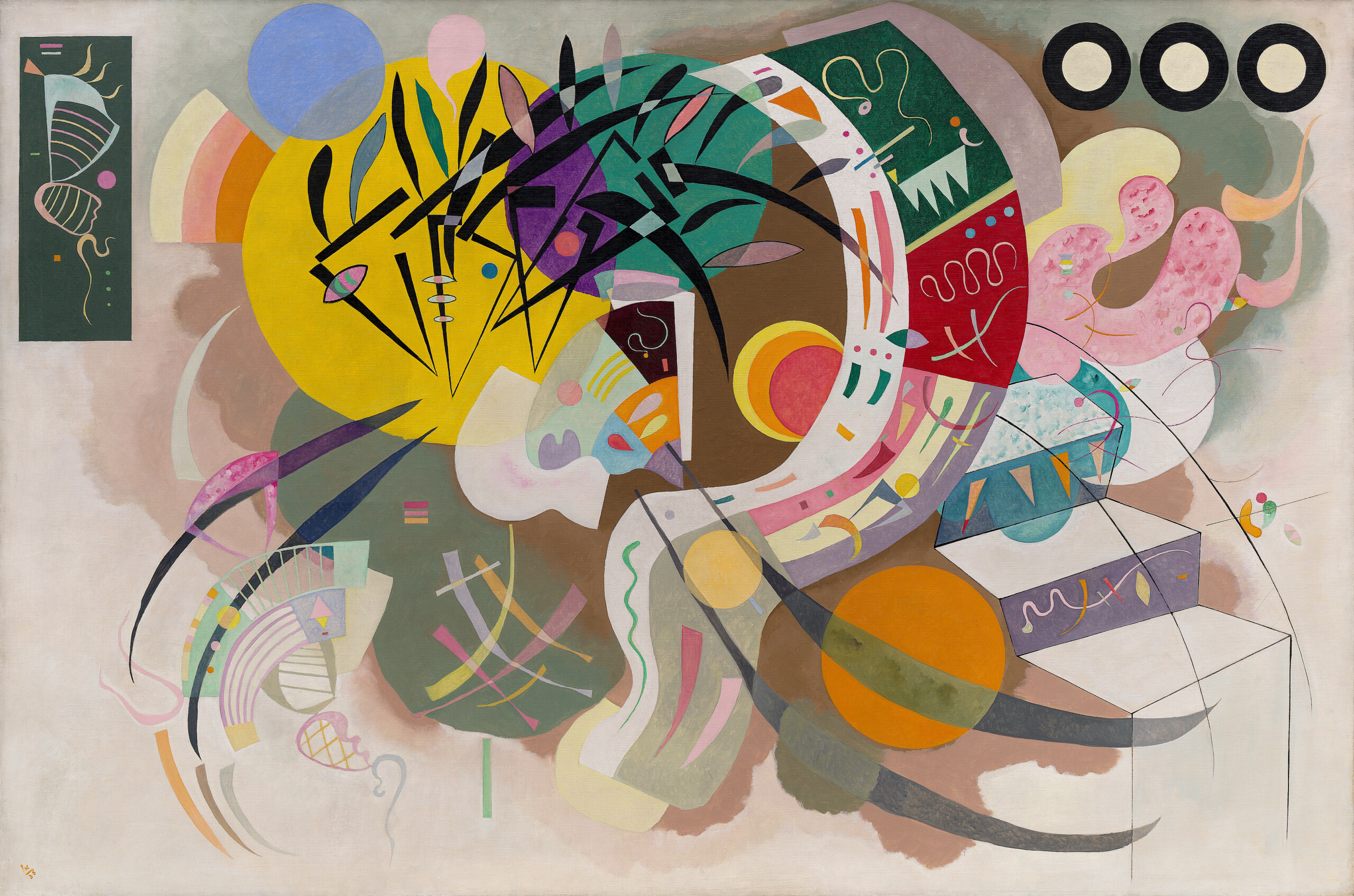
Guggenheim Jeune operated at 30 Cork Street, a short distance from the Royal Academy, between January 1938 and June 1939. Although the gallery remained open for only 18 months, it staged more than 20 exhibitions and became an important London platform for Surrealism, abstraction and experimental approaches to contemporary art.
The gallery was responsible for several British curatorial firsts, including the first UK solo exhibitions devoted to Vasily Kandinsky, Jean Cocteau and Yves Tanguy. Its programme also included the country’s first group exhibition of collage and a contemporary sculpture show that generated controversy after the Director of the Tate reportedly refused to recognise several works as art when they arrived at British Customs.


The Royal Academy exhibition will reconstruct this history through a sequence of landmark shows originally presented at Guggenheim Jeune. Many of the works will return to London for the first time since their initial display, accompanied by comparable pieces from the same period.
Artists represented will include Eileen Agar, Salvador Dalí, Barbara Hepworth, Henry Moore, Piet Mondrian, Sophie Taeuber-Arp, Rita Kernn-Larsen, Grace Pailthorpe, Cedric Morris, Jean Cocteau, Vasily Kandinsky and Yves Tanguy.
The exhibition will open with portraiture, including paintings by Cedric Morris and photographs by Gisèle Freund. Together, these works introduce the friends, artists and advisers who contributed to Guggenheim’s emerging vision as a gallerist and collector.
Objects from Guggenheim’s personal jewellery collection will offer a more intimate perspective. Among them will be Tanguy’s Earrings for Peggy Guggenheim, created around 1938 and incorporating miniature Surrealist paintings.
This opening section will also revisit Guggenheim Jeune’s 1938 exhibition of paintings and drawings by children, which reflected her belief in education as a means of nurturing artistic expression. It will include Lucian Freud’s Old Man Running, made in 1937–38 when the artist was a teenager and recognised as his first exhibited work.


Organic abstraction will form the focus of the following section, with works connected to the gallery’s solo exhibitions of Kandinsky and Charles Howard. Prints produced at S.W. Hayter’s Studio 17 will also feature, recalling one of the most consequential printmaking exhibitions presented in pre-war London.
A further gallery will explore the Exhibition of Abstract and Concrete Art, which brought British artists into dialogue with figures from across Europe. Staged amid increasing political instability, the original exhibition included artists such as Mondrian, Taeuber-Arp and Otto Freundlich, who were confronting or fleeing the rise of Fascism.
Collage will be represented through works by Agar and Paule Vézelay, while puppets by Marie Vassilieff will demonstrate the breadth of Guggenheim Jeune’s programme. Their inclusion also reflects the gallery’s role in creating space for women artists across different disciplines and artistic movements.
The concluding section will turn to the Surrealists exhibited at the gallery, including Kernn-Larsen, Pailthorpe, Reuben Mednikoff and Wolfgang Paalen.
Guggenheim had intended to establish a permanent museum of modern art in London, a plan interrupted by the outbreak of the Second World War. She subsequently left for Paris and New York before settling in Venice, where her collection became the foundation of the Peggy Guggenheim Collection.
By returning to the gallery where her public career began, Peggy Guggenheim in London positions collecting as a process shaped by relationships, exhibitions and political circumstances. It also reveals how an experimental programme lasting less than two years left a durable mark on British modernism.
The exhibition is organised by the Peggy Guggenheim Collection, Venice, in collaboration with the Royal Academy of Arts. It is curated by Gražina Subelytė, Curator at the Peggy Guggenheim Collection, and independent curator Simon Grant, with Sylvie Broussine, Associate Curator at the Royal Academy of Arts.
Peggy Guggenheim in London: The Making of a Collector will be presented in the Jillian and Arthur M. Sackler Wing of Galleries at the Royal Academy of Arts from 21 November 2026 until 14 March 2027.

FASHION FRONTIER
Fashion Frontier is a London-based digital fashion magazine exploring the edge of modern style, creativity, and culture. The platform features designer lookbooks, runway reports, event coverage, and stories redefining the future of fashion in the UK and beyond.
You may also like

NIF Global and London School of Trends Celebrate the Artisans of India at London Fashion Week SS26
On September 19th, 2025, during London Fashion Week SS26, NIF Global in collaboration with the Londo

H Ø S T & V Å R SS25: ‘Flourish & Flow’ – A Bold Norwegian Fashion Brand Embracing Heritage and Modern Sustainability
About the Collection Summer in full bloom is a dazzling transformation, bringing every corner of nat
RAY CHU Unveils Sustainable Innovation at London Fashion Week A/W25 with Taiwanese Fabrics
At the forefront of Sustainable Fashion Innovation, Taiwanese designer RAY CHU captivates London Fas



Post a comment