


BFI London Film Festival 2026 Awards: ‘Imperium’ Wins Best Film as Four Jury Winners Are Revealed
The 70th BFI London Film Festival has announced its 2026 competition winners, with Sergei Loznitsa’s Imperium taking the Best Film Award for its archival examination of Soviet history. Announced as the festival concluded on 18 October, the four principal prizes also recognised filmmakers exploring family and faith, cultural displacement, gender identity and masculinity. Together, the results place documentary observation, personal storytelling and experimental approaches to cinema at the centre of this year’s awards.
The winners were selected by four independent juries, with the Sutherland Award going to Sompot Chidgasornpongse’s 9 Temples to Heaven, the Grierson Award to Asmahan Bkerat’s Concrete Land, and the Short Film Award to Rahul Roye’s Aman.
Imperium Wins Best Film
Director Sergei Loznitsa received the festival’s highest competition honour for Imperium, a documentary constructed around archival footage filmed by Italian cameramen in the Soviet Union during the early 1970s.
The film revisits a period of Soviet history through images recorded by outsiders, offering a perspective on everyday life, society and the cultural environment before the eventual dissolution of the Soviet Union.
Rather than approaching history through conventional retrospective narration alone, Loznitsa’s work uses archival material to reconsider how a particular society was observed and represented.
The Official Competition jury, chaired by filmmaker Sam Pollard, recognised the film’s breadth of historical observation and its use of rarely seen footage.
The award underlines the continuing importance of archives within contemporary cinema. Historical images are not simply records of the past; their selection and arrangement can change how audiences understand the periods they document.


9 Temples to Heaven Takes the Sutherland Award
The Sutherland Award for Best First Feature went to Sompot Chidgasornpongse for 9 Temples to Heaven.
The director’s fiction debut examines family, faith and the cycles of life and death through a meditative narrative combining gentle humour with spiritual reflection.
The First Feature Competition jury, led by actor Amir El-Masry, highlighted the film’s visual language and its place within Southeast Asian filmmaking traditions.
Its recognition demonstrates the range of work represented in the competition, where a quieter approach to storytelling can receive attention alongside more dramatic cinematic forms.
The jury also gave a Special Mention to Bertil Nilsson’s MASC, a British debut following Robin through temporary employment and uncertain relationships while searching for a sense of belonging. The film was recognised for its distinctive concept, performances and inventive storytelling.


Concrete Land Recognised for Documentary Filmmaking
The Grierson Award for Best Documentary was presented to Asmahan Bkerat for Concrete Land, her feature directorial debut.
The documentary follows a multigenerational mixed-race family in Jordan as they confront displacement, hostility and the possible erosion of their cultural traditions.
Rather than framing the family’s circumstances through political argument alone, the film centres personal relationships and everyday experiences.
The Documentary Competition jury, chaired by director Sandhya Suri, praised Bkerat’s observational approach, particularly the relationship established with the people filmed and the care given to image-making, sound and narrative construction.
The documentary’s recognition draws attention to the role of intimacy in addressing questions of identity and cultural survival.
A Special Mention went to Theo Rollason’s Queer Edward II, an archival documentary exploring the making of Derek Jarman’s Edward II against the backdrop of anti-LGBTQIA+ legislation in Britain during the 1980s.
Through behind-the-scenes footage and political archives, the film examines Jarman’s position as both an artist and an activist, connecting cinema history with questions of representation and social change.


Aman Wins the Short Film Award
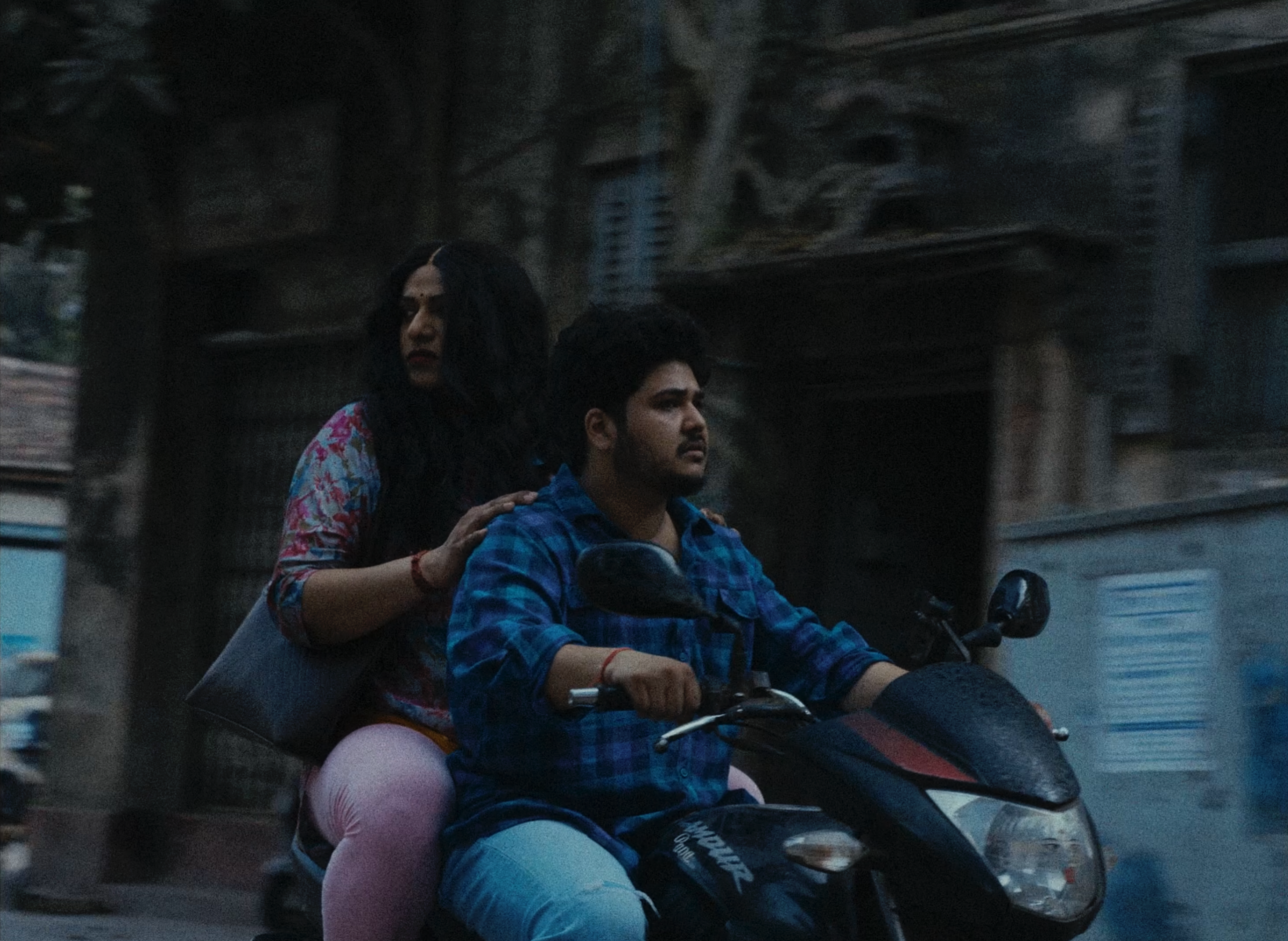
Rahul Roye’s Aman received the Short Film Award for its exploration of gender identity, masculinity and parenthood.
The film follows a transgender man who discovers he is pregnant shortly before undergoing gender-affirming surgery, confronting him with unexpected questions about his body, identity and future.
The Short Film Competition jury, led by writer and producer Helen Simmons, recognised the film’s nuanced characterisation, assured storytelling and cinematography.
Rather than reducing its subject to a straightforward moral or emotional conclusion, Aman allows the complexities of its central character’s circumstances to remain unresolved.
The jury also awarded a Special Mention to Elizabeth Hobbs’ Daughters of the Late Colonel, which follows two middle-aged sisters navigating life after the death of their controlling father. The film was recognised for its inventive visual style and balance of humour and emotional complexity.
Aman is available to watch free on BFI Player until 25 October.


Audience Awards Still to Be Announced
While the four jury competitions have concluded, the festival’s Audience Awards remain separate from the results announced on 18 October.
Voting closes on 21 October 2026, with the winners of Best Feature Film and Best British Discovery to be revealed subsequently.
Last year’s audience winners included Chloé Zhao’s Hamnet and Yemi Bamiro’s documentary Black Is Beautiful: The Kwame Brathwaite Story.
The audience categories provide a different perspective on the festival programme, allowing viewers rather than appointed juries to determine which films receive recognition.
A Festival Reflecting Different Forms of Cinema
The 70th BFI London Film Festival’s competition results reveal a notable breadth of storytelling approaches.
Imperium reconstructs history through archival footage, while 9 Temples to Heaven considers spiritual and family relationships through fiction. Concrete Land uses documentary observation to examine displacement and cultural identity, and Aman approaches masculinity and parenthood through an individual experience.
The special mentions broaden that perspective further, acknowledging experimental British storytelling, queer film history and animation.
Together, the winning works demonstrate that contemporary cinema’s engagement with identity and culture does not depend on a single aesthetic or narrative method. From archival reconstruction to intimate character studies, the films use different cinematic languages to explore how people understand themselves, their histories and the societies around them.
The full competition results are available through the BFI London Film Festival.

FASHION FRONTIER
Fashion Frontier is a London-based digital fashion magazine exploring the edge of modern style, creativity, and culture. The platform features designer lookbooks, runway reports, event coverage, and stories redefining the future of fashion in the UK and beyond.
You may also like

Second Wind: How Joy J. Is Conquering the Fashion World at 72
1. Life Before London Joy J.: I spent most of my time walking in fashion shows and traveling between

London Fashion Day Season 8 Campaign Shoot Puts Emerging Talent in Focus
London Fashion Day (LFD) has brought a student designer, an emerging Nigerian model and a team of Lo





Post a comment